What the DPDP Rules 2025 Mean for Digital Health Platforms
On 14 November 2025, India's Ministry of Electronics and Information Technology notified the DPDP Rules. Here's what it means for health platforms.
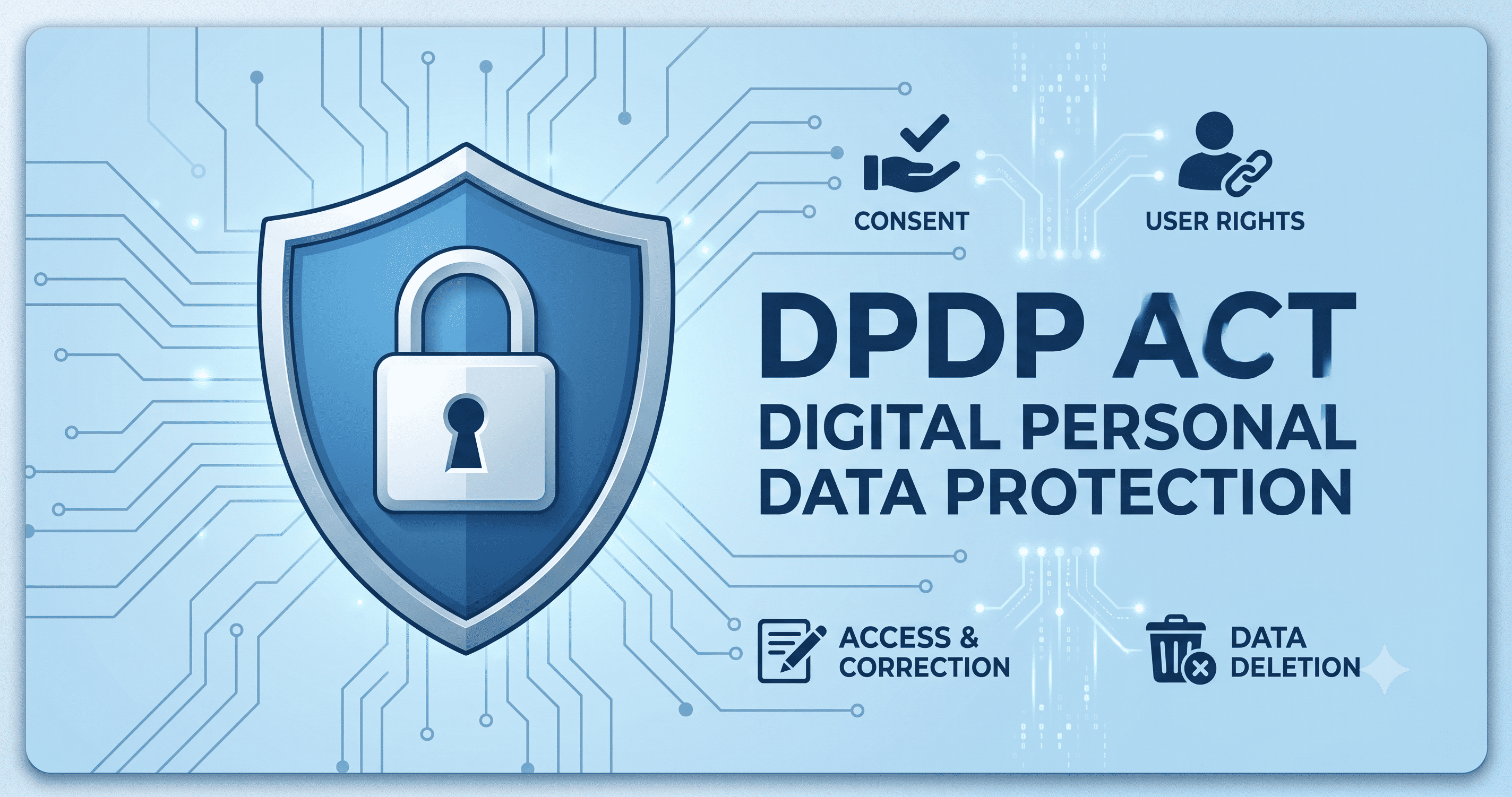
On 14 November 2025, India's Ministry of Electronics and Information Technology (MeitY) notified the Digital Personal Data Protection (DPDP) Rules, 2025. For any platform handling personal data, especially health data, this is worth understanding, not just as a compliance checkbox, but as a framework for how data should be handled in the first place.
Here's what it means for a platform like Colenva, in plain terms.
Consent has to be real, not just present
The rules reinforce that consent needs to be specific, informed, and given for a clear purpose. Not a blanket "I agree" buried in fine print. It also needs to be revocable, meaning a person can withdraw consent, not just grant it once and lose control forever.
Data minimisation matters
Platforms should only collect what they actually need for a stated purpose. Health platforms are often tempted to collect everything "just in case." The DPDP framework pushes against that instinct, and honestly, we think that's the right instinct to push against.
People have rights over their own data
This includes the ability to access, correct, and request deletion of personal data, rights that matter enormously in healthcare, where the data in question is often deeply personal.
Why we're paying attention now, not later
We're still building Colenva's core architecture. That means we have the chance to design around these principles from the start, consent capture with purpose and timestamp, data minimisation by default, clear access and deletion pathways, rather than retrofitting them onto a system that wasn't built with them in mind.
An important caveat
We're a technology team, not a law firm. Regulatory requirements are reviewed by qualified legal and compliance professionals before any relevant feature goes live, and this article is meant to explain our thinking, not serve as legal guidance. If you're building in this space yourself, talk to your own legal counsel about what the DPDP Rules mean for your specific platform.
Where this leaves us
Good privacy design isn't just about avoiding penalties. In healthcare specifically, trust is the product. A platform that treats consent and data minimisation as genuine design principles, not paperwork, is one people can actually rely on.