One Operating System, From a Solo Practice to a Hospital
We're building Colenva OS around a different idea: one core system, with editions that adapt to how each provider actually works.
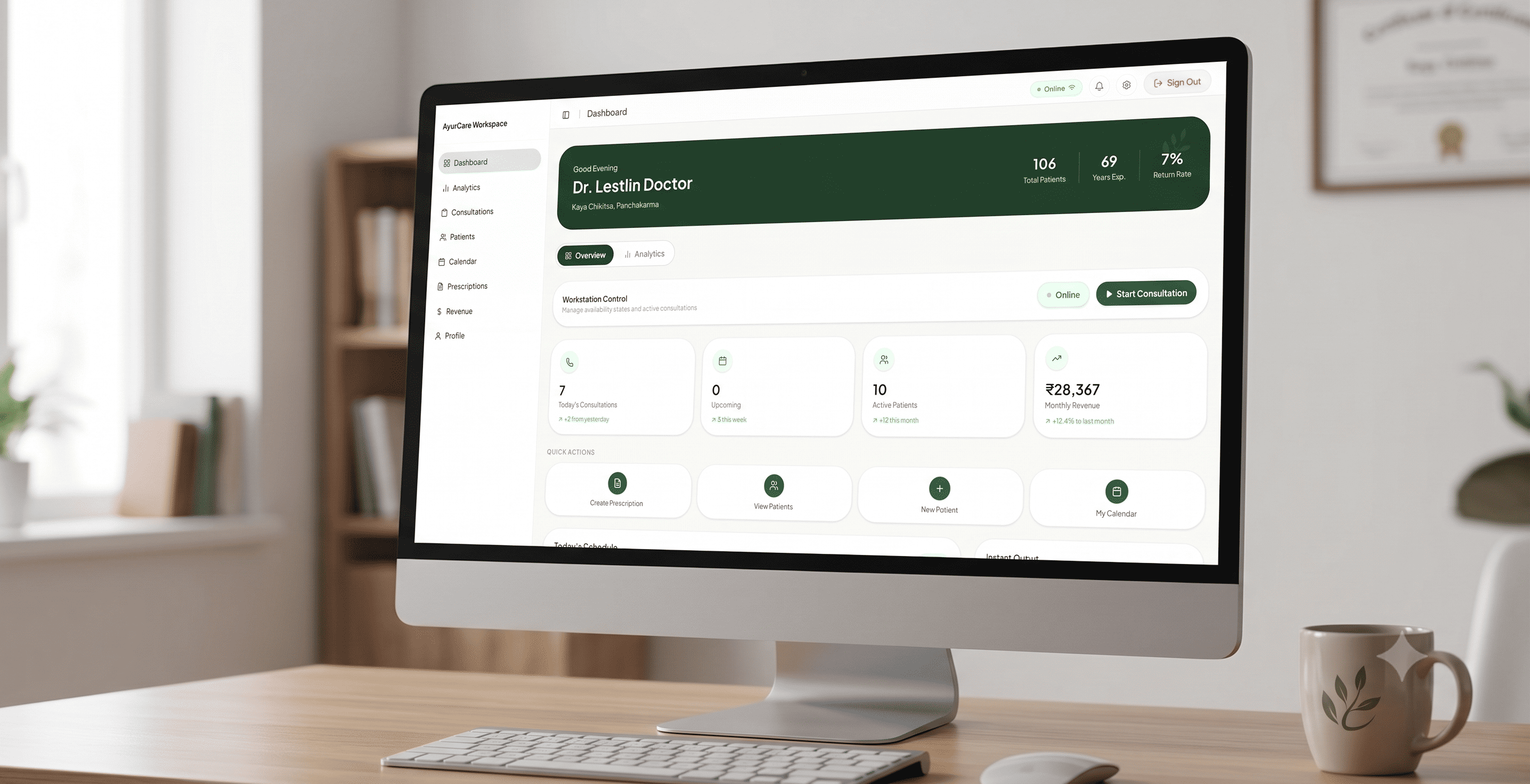
Walk into most healthcare software conversations and you'll hear the same story: a solo doctor uses one tool, a clinic uses another, a hospital uses something else entirely, and none of them talk to each other. Every provider type starts from zero.
We're building Colenva OS around a different idea: one core system, with editions that adapt to how each provider actually works.
A shared core
Underneath every edition is the same set of building blocks: identity, scheduling, clinical records, prescriptions and billing. This isn't six separate products stitched together. It's one system, configured differently depending on who's using it.
Doctor Practice, for solo practitioners
A doctor who wants software without a public listing gets exactly that: their own schedule, patients, records, prescriptions and billing, without being pushed onto a public marketplace they didn't ask for.
Clinic, for multi-branch operations
A clinic running more than one branch gets shared infrastructure across locations, with each branch's data kept properly separated, all under one account. Staff, doctors and schedules are managed together, not branch by branch in isolation.
More editions to come
The same core is designed to extend to therapy centres, hospitals and wellness resorts as those modules come online, each with the specific tools that setting needs, still built on the same underlying identity and records system.
Software and visibility are separate decisions
One thing we were deliberate about: whether a provider uses our software and whether they're publicly discoverable are two different choices. A doctor can run their entire practice on Colenva OS and never appear in the marketplace, and switch that on later if they choose to. We don't bundle the decision.
Why one system matters
If a patient's record fragments the moment they move from a solo doctor to a hospital, we haven't actually solved the problem we set out to solve. One system, used differently by different providers, is what keeps that from happening.
This is still being built, edition by edition. But the principle stays the same: we didn't want to fix fragmentation for patients and quietly recreate it for providers.